%2Ffit-in%2F250x250%2Fguide_websites%2F589%2Fimages%2Faggie_guide_service-04.png&w=1920&q=100)
Speckled Trout, Redfish & Black Drum in Ingleside TX
Inshore Fishing in Ingleside - What to Expect
%2F%2Fusers%2Ffb083616-ca55-45ee-a61c-9700f866e00d%2Fimages%2Fingleside-trout-redfish-mixed-bag-2983.jpg&w=1920&q=75)
Fishing Guide by Guide Brian Preston in May
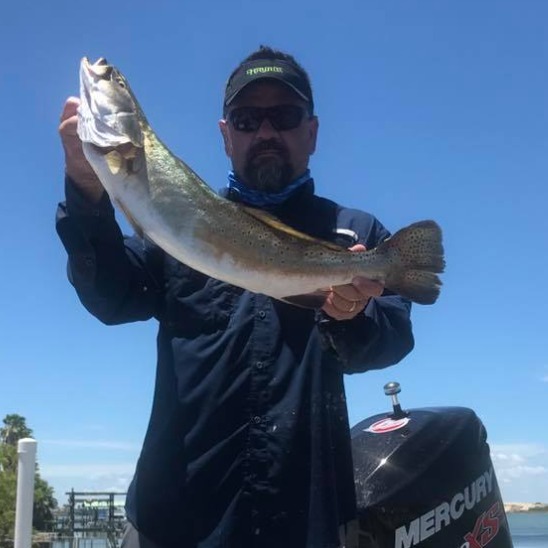
Meet your Guide Brian Preston
- Book The Finest Port Aransas Fishing Charter!


Summary
Join fishing guide Brian Preston of Aggie Guide Service on Wednesday, May for an inshore fishing adventure in Ingleside, targeting speckled trout, redfish, and black drum. This guided fishing trip showcases the productive coastal waters around Port Aransas, where multiple species hold year-round with excellent opportunity for success.
Inshore Fishing with Brian Preston - Rates & Booking
Guide Brian Preston of Aggie Guide Service on Wednesday, May brings years of coastal expertise to inshore fishing around Ingleside and Port Aransas. This fishing guide specializes in targeting the productive species that define Texas coastal fishing, with a focus on proven techniques and local knowledge.
The inshore environment around Port Aransas offers consistent opportunity for speckled trout, redfish, and black drum throughout the year. These species respond well to guided fishing strategies, and Preston's approach focuses on working shallow flats, structure, and tidal zones where these fish congregate. Booking your guided fishing trip includes access to expert guidance, local insights, and proven methods for connecting with these species.
To reserve your guided fishing adventure with Aggie Guide Service, contact the company directly to discuss timing, group size, and specific target species. Preston can tailor the experience to match your skill level and fishing preferences.
Highlights of Inshore Fishing Around Port Aransas
The coastal waters near Ingleside deliver some of Texas' most reliable inshore fishing. Speckled trout, redfish, and black drum provide diverse fishing experiences in a single outing, with each species offering different fight characteristics and feeding behaviors. The shallow flats and productive structure create ideal conditions for sight-fishing and active presentation methods.
What sets this fishery apart is the abundance of species and the shallow-water clarity that allows anglers to locate and target fish actively. The tidal flows and seasonal patterns create predictable feeding windows, and an experienced guide knows exactly when and where to position for success.
Local Species Insights: Speckled Trout, Redfish & Black Drum
Speckled trout are the signature species of Texas inshore fishing. These spotted beauties inhabit shallow flats, grassbeds, and tidal channels where they hunt smaller baitfish. Speckled trout respond aggressively to topwater lures and soft plastics, making them exciting for active anglers. They're most productive in deeper channels during extreme temperatures but move shallow during moderate conditions to feed in the clear flats.
Redfish command respect with their raw power and aggressive nature. These bronze-colored fighters frequent shallow flats, mangroves, and tidal areas where they hunt crustaceans and baitfish. Their preference for shallow water makes them ideal for sight-fishing, and their aggressive take and strong runs make them a favorite among experienced anglers. Redfish can exceed 20 pounds in this region, providing substantial fight and memorable experiences.
Black drum represent a unique coastal opportunity. These hard-fighting fish inhabit deeper channels and structure, using their powerful jaws to crush hard-shelled prey like crabs and oysters. Black drum can grow quite large and provide serious challenge to tackle and technique. They're often found around structure, jetties, and deeper troughs where they create feeding disturbances that alert experienced anglers to their presence.
The coastal habitat around Ingleside and Port Aransas provides ideal conditions for all three species. Shallow flats with sparse seagrass offer protection and feeding grounds, while deeper channels and structure provide transit routes and hunting zones. The combination of fresh water inflow, tidal movement, and natural structure creates a balanced ecosystem that supports healthy populations year-round.
Seasonal patterns influence the behavior and location of these species. Spring and fall bring peak feeding activity as water temperatures moderate and baitfish populations concentrate. Summer heat pushes fish to deeper channels and structure, while winter cold concentrates fish in protected areas. An experienced guide understands these patterns and adjusts strategy accordingly.
Plan Your Fishing Day
Booking your guided inshore fishing trip with Brian Preston requires planning around tidal schedules, seasonal patterns, and weather conditions. Most inshore fishing operates in shallow water where calm conditions and adequate visibility maximize success. Morning trips often coincide with early tidal movements, though afternoon sessions can be equally productive depending on conditions.
Bring appropriate clothing for weather and water conditions, including sun protection, water shoes, and layers for temperature changes. Polarized sunglasses dramatically improve your ability to sight-fish in shallow water. The guide typically provides the fishing strategy, lure selection, and casting direction, allowing anglers to focus on presentation and hooksets.
Group size flexibility allows for personalized instruction and higher success rates. Smaller groups enjoy more individual attention and better access to prime fishing locations. The shallow-water nature of inshore fishing means the boat can access areas unavailable to larger offshore vessels, providing intimate access to productive grounds.
Fishing & Hunting in Port Aransas: Spotted Weakfish, Black Drum and Redfish
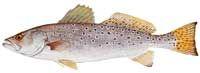
Spotted Weakfish Overview
The Spotted Weakfish (Cynoscion nebulosus) is one of the most sought-after gamefish in the coastal waters of the Gulf of Mexico and throughout the Southeastern United States. Despite its common nickname "spotted seatrout," this remarkable species is actually a member of the Sciaenidae family—the drum fish family—and belongs to the order Perciformes. What makes the Spotted Weakfish so distinctive is its compressed, elongated body adorned with irregular faint spots across its upper half, combined with a metallic silver coloring that transitions from dark grayish-blue on top to tan or white on the belly. Anglers and seafood enthusiasts have cherished this species for decades, and it's easy to see why: these fish are abundant in their native waters, relatively straightforward to catch, and absolutely delicious on the dinner table. From casual fishing trips in Florida to serious expeditions along the Atlantic seaboard, the Spotted Weakfish remains a favorite target for both recreational and commercial fishers seeking an unforgettable experience.
Spotted Weakfish Habitat and Distribution
The Spotted Weakfish is endemic to the Western Atlantic Ocean, with a range stretching from Massachusetts down to South Florida, and it thrives throughout the entire Gulf of Mexico. As a demersal fish—meaning it prefers to stay on or near the ocean floor—this species has developed a sophisticated relationship with its coastal environment. You'll find them hunting in shallow coastal and estuarine waters, over sandy bottoms and seagrass beds at depths reaching up to 33 feet. These fish are adaptable creatures; during warm summer months, they move closer to shore and into shallower waters, but as temperatures drop, they retreat to deeper oceanic zones. The fish favors both salt and brackish water environments, making inlets and estuaries prime hotspots for encounters. Around major fishing hubs like Florida and along the Carolina coastlines, these waters represent reliable year-round destinations for connecting with this exceptional species.
Spotted Weakfish Size and Weight
Most Spotted Weakfish you'll encounter in typical fishing situations measure between 12 to 16 inches in length and weigh somewhere in the 3 to 7 pound range—perfect for a satisfying day on the water. However, these fish have the potential to grow considerably larger. The average maximum size reaches approximately three and a half feet in length with weights around 17 and a half pounds, which would represent an exceptional catch for most anglers. The world record Spotted Weakfish stands at an impressive 17 pounds and 7 ounces, measuring 39 inches long—a trophy taken by Orlando angler Craig Carson off Fort Pierce Inlet in Florida. Understanding these size benchmarks helps anglers set realistic expectations and appreciate the specimen they've worked to land, whether it's a keeper-sized fish or a genuine record-breaker.
Spotted Weakfish Diet and Behavior
The Spotted Weakfish is a masterful ambush predator with a hunting strategy that's both efficient and exciting to witness. These fish are known to lunge at prey that happen to pass through their territory, relying on their large, canine-like teeth to secure their meals. Their diet consists primarily of smaller fish species including anchovies, pinfish, silversides, mullet, croaker, silver trout, snapper, and gobies, supplemented by crustaceans like shrimp. The Spotted Weakfish hunts actively throughout much of the day, moving from the water's bottom to the surface in search of feeding opportunities. This behavior makes them highly responsive to lures and bait presentations, which is one reason why they're so popular among anglers. Beyond humans, these fish face predation from striped bass, alligator gar, barracuda, porpoises, and sharks, as well as seabirds such as cormorants and pelicans. Their average lifespan of 8 to 10 years allows them to develop considerable wisdom and wariness as they mature.
Spotted Weakfish Spawning and Seasonal Activity
The reproductive cycle of the Spotted Weakfish is a fascinating display of seasonal behavior that transforms their habitat. Spawning begins in spring and continues through late summer, with the fish typically engaging in this activity at night. Male Spotted Weakfish are particularly vocal during this period, announcing their presence through distinctive croaking sounds approximately two hours before sunset—a behavior that gives the Sciaenidae family its "drum fish" reputation. While these fish spend most of their lives in oceanic coastal waters, they undergo a significant migration during spawning season, moving into bays and estuaries to reproduce. A single female can produce an astounding 15,000 to 1,100,000 eggs per spawning event, and these eggs hatch within just 18 hours of fertilization. The young Spotted Weakfish form small schools of about 50 individuals, remaining together until they reach juvenile stage, at which point they disperse to their natural nursery habitats including seagrass beds, sandy bottoms, muddy bottoms, and reefs.
Spotted Weakfish Techniques for Observation and Capture
Fly-Fishing and Light Tackle Approach: The Spotted Weakfish is an eager responder to fly-fishing techniques and colorful lures, particularly when in active hunting mode. These fish hunt throughout the water column from bottom to surface, so adding weight to your presentation isn't necessary—the fish will come to your bait once spotted. The key technique is to retrieve slowly at first, making your bait or lure appear as if it's casually swimming through the water. As soon as you detect an approaching fish, accelerate your retrieve slightly to mimic a fleeing prey item; this triggers a more aggressive strike that sets the hook deeper into the fish's mouth. This strategy is crucial because the Spotted Weakfish has a notoriously soft mouth, and hooks can easily pull free if not firmly embedded. Around Florida's coastal rivers and the Gulf of Mexico, experienced guides recommend early morning sessions during the summer months when these fish are most active and aggressive.
Bottom and Shallow Water Fishing: Since Spotted Weakfish are demersal by nature, fishing along sandy bottoms and over seagrass beds—especially in the 10 to 33-foot depth range—yields consistent results. Use medium-weight spinning rods with 10 to 15-pound test line and cast live or cut bait near structure where these fish are likely to ambush prey. Small shiners, shrimp, and mullet chunks work exceptionally well. Fish the shallow estuaries during high tide and the slightly deeper channels during low tide for optimal positioning. Patience and subtle movement of your bait will often outperform aggressive presentations.
Sight Casting in Clear Water: In clear, shallow waters typical of Florida's coastal areas, sight casting to visible Spotted Weakfish can be incredibly rewarding. Polarized sunglasses and a quiet approach allow you to spot feeding fish and present lures or bait directly to them. Small jigs, soft plastics, and topwater plugs create excellent results when accuracy and presentation are prioritized. This visual hunting method transforms fishing from a waiting game into an active, engaging pursuit.
Spotted Weakfish Culinary and Utilization Notes
The Spotted Weakfish has earned its stellar reputation as a table fish through generations of satisfied diners. The meat is known for having an excellent, delicate flavor that stands up beautifully to various cooking methods. Steaming, broiling, and baking are considered the best preparation techniques, allowing the natural taste of the fish to shine without overwhelming heavy sauces. The flesh is firm yet tender, making it versatile for both traditional and contemporary recipes. One noteworthy characteristic anglers should know about is the occasional presence of harmless "spaghetti worms"—parasitic nematodes that look concerning but pose no risk to human consumption and are easily removed during filleting. From a nutritional standpoint, Spotted Weakfish provides excellent protein, omega-3 fatty acids, and essential minerals, making it a healthy choice for seafood enthusiasts. The combination of abundance, ease of capture, and culinary excellence has made this species a cornerstone of both recreational and commercial fishing operations throughout its native range.
Spotted Weakfish Frequently Asked Questions
Q: What is the best bait or lure for catching Spotted Weakfish?
A: Live shrimp, mullet, anchovies, and small shiners are top bait choices. For lures, colorful options including small jigs, soft plastics, and topwater plugs work well. Fly fishers have success with colorful streamers and baitfish patterns. The key is matching your presentation to the natural prey in the area and retrieving at a pace that triggers aggressive strikes.
Q: Where can I find Spotted Weakfish near major fishing destinations?
A: Spotted Weakfish are abundant throughout the Gulf of Mexico, along the Florida coastline, and up the Atlantic seaboard to Massachusetts. In Florida specifically, Fort Pierce Inlet, Tampa Bay, and various coastal rivers provide excellent opportunities. Look for shallow estuaries, seagrass beds, and sandy bottoms in 10 to 33 feet of water during appropriate seasons.
Q: Is Spotted Weakfish good to eat?
A: Absolutely! Spotted Weakfish is considered excellent eating with a delicate, mild flavor. Steam, broil, or bake for best results. The flesh is firm and versatile, making it suitable for various culinary preparations. The only consideration is removing the harmless parasitic worms if present, which is a simple filleting task.
Q: When is the best time to catch Spotted Weakfish?
A: Warm summer months (May through September) represent peak season as fish move to shallower waters and feed more actively. During spawning season (spring through late summer), nighttime fishing can be particularly productive. Early morning and late afternoon sessions often produce excellent results year-round in appropriate habitats.
Q: Why do they call them "weakfish" if they're strong fighters?
A: The name "weakfish" refers to the fish's soft mouth rather than its fighting ability. Despite being active, aggressive hunters, the soft tissue inside their mouth makes hooks prone to pulling free during battle, requiring careful, steady pressure rather than hard, jerky movements when fighting a hooked fish.
Q: What's the world record Spotted Weakfish?
A: The world record stands at 17 pounds and 7 ounces, measuring 39 inches long. This exceptional specimen was caught by Orlando angler Craig Carson off Fort Pierce Inlet in Florida, representing the gold standard for what these remarkable fish can achieve in their native waters.

The Black Drum (Pogonias cromis) stands as the giant of the Sciaenidae family, earning its reputation through both impressive size and distinctive acoustic abilities. These remarkable fish get their name from the drumming or croaking sounds they produce, which can reach frequencies of 100 to 500 Hz during spawning season. With their powerful jaws designed for crushing shellfish and oysters, these dark-colored bruisers represent one of the most sought-after inshore game fish along the Atlantic and Gulf coasts, offering anglers both challenging fights and rewarding table fare when properly sized.
Black Drum Overview
What makes these fish truly special is their incredible adaptability and longevity. They're bottom-dwellers that can live up to 50 years, growing rapidly in their first two years and reaching sexual maturity quickly. Their robust build and crushing power make them formidable opponents for anglers, while their preference for brackish waters and estuaries puts them within reach of shore-based fishermen. The drumming sounds they make aren't just for show - they're sophisticated mating calls that help these fish locate each other during spawning aggregations, creating some of the most exciting fishing opportunities of the year.
Black Drum Habitat and Distribution
These adaptable fish have claimed territory from Nova Scotia all the way down to the Gulf of Mexico, thriving in a variety of environments. Adults prefer the saltier waters near ocean inlets and around oyster beds, where their favorite foods are abundant. Juveniles, on the other hand, seek out the less saline areas of estuaries with sandy bottoms, providing natural nursery areas. What's remarkable about these fish is their tolerance for different conditions - you might find them in extremely shallow water one day and at depths of 100 feet the next. They're particularly drawn to muddy flats, pier pilings, and creek mouths where tidal action concentrates their prey.
Black Drum Size and Weight
Size-wise, these fish offer something for everyone, typically ranging from 5 to 30 pounds, though true giants can exceed 90 pounds. The smaller specimens in the 15-pound range are considered prime table fare, while the larger fish are better suited for catch-and-release due to their tougher meat texture and stronger flavor. It's not uncommon to encounter fish in the 20 to 40-pound range during peak season, and these middle-weight bruisers provide excellent sport while still offering decent eating quality for those who know how to prepare them properly.
Black Drum Diet and Behavior
As dedicated bottom-feeders, these fish have developed powerful crushing jaws perfectly suited for their shellfish-heavy diet. Crabs, mussels, clams, and oysters make up the bulk of their meals, though they'll also take marine worms and small fish when the opportunity arises. Their feeding behavior is methodical and deliberate - they use their sensitive barbels to locate prey buried in sand and mud, then employ their impressive jaw strength to crush through shells. During feeding frenzies, particularly around oyster beds, you can sometimes hear the actual crunching sounds they make while feeding, which often gives away their location to observant anglers.
Black Drum Spawning and Seasonal Activity
Spawning season brings out the most exciting behavior in these fish, as they gather in large schools and become much more predictable in their movements. In southern regions like Texas, this typically occurs from February through March, while northern areas see peak activity from April to June. During this time, females can lay eggs every three days, and the males produce their characteristic drumming sounds almost continuously. These spawning aggregations create prime fishing opportunities, as the normally scattered fish concentrate in specific areas and become more aggressive in their feeding. The sound of dozens of drums calling simultaneously creates an underwater symphony that experienced anglers learn to recognize and locate.
Black Drum Techniques for Observation and Capture
Success with these fish comes down to three key factors: location, bait selection, and patience. Live or fresh bait works best - soft-shell crabs, peeler crabs, and fresh clam are top choices, though many anglers swear by blue crab because it doesn't attract as many bait-stealing catfish. Fish your baits right on the bottom using enough weight to hold position in current, and be prepared for a slow, deliberate bite that can easily be mistaken for a snag. For artificial presentations, slow-moving bucktail jigs work well, especially when tipped with natural bait. Fly fishing enthusiasts should opt for 9-weight rods and bottom-bouncing patterns like Clouser Minnows or crab imitations. Around popular fishing areas, look for shallow flats adjacent to deeper water, especially during moving tides when these fish become more active.
Black Drum Culinary and Utilization Notes
When it comes to table fare, size matters significantly with these fish. Specimens under 15 pounds offer mild, flaky white meat that's excellent when prepared fresh, while larger fish develop a coarser texture and stronger flavor that some compare to chicken. The key to good eating is proper handling and quick processing - these fish benefit from bleeding immediately after capture and keeping on ice. Smaller drums work wonderfully in fish tacos, blackened preparations, or simple pan-frying, while larger fish are better suited for stews or heavily seasoned dishes that can mask their stronger flavor. Many experienced anglers practice slot-limit fishing, keeping only mid-sized fish for the table while releasing both the smaller juveniles and the large breeding stock.
Black Drum Frequently Asked Questions
Q: What is the best bait for Black Drum fishing?
A: Live or fresh crab consistently outperforms other baits, particularly soft-shell crabs, peelers, or blue crab halves. Fresh clam and cut mullet also work well, but crab tends to attract fewer bait-stealing species and stays on the hook better in current.
Q: Where can I find Black Drum in coastal areas?
A: Look for oyster beds, shallow muddy flats, pier pilings, and creek mouths in brackish water areas. They prefer areas where fresh and salt water mix, especially spots with good tidal flow that concentrates their food sources.
Q: Are Black Drum good to eat?
A: Fish under 15 pounds are excellent table fare with mild, flaky white meat. Larger specimens become progressively tougher and stronger-flavored, making the smaller to medium-sized fish the best choice for eating.
Q: When is the best time to catch Black Drum?
A: Spring spawning season offers the most consistent action when fish school up in predictable areas. Early morning and late afternoon during moving tides typically produce the best results, though they can be caught year-round in most areas.
Q: What tackle should I use for Black Drum fishing?
A: Medium to heavy spinning or conventional tackle works best, with 20-30 pound test line and strong circle hooks. Use enough sinker weight to keep your bait on the bottom, and be prepared for long, powerful runs when you hook a large fish.
Q: How can I tell if I'm in good Black Drum water?
A: Look for areas with oyster beds, muddy bottoms, and good tidal flow in brackish water. During spawning season, you might actually hear the drumming sounds they make, which is a dead giveaway that fish are present and active.
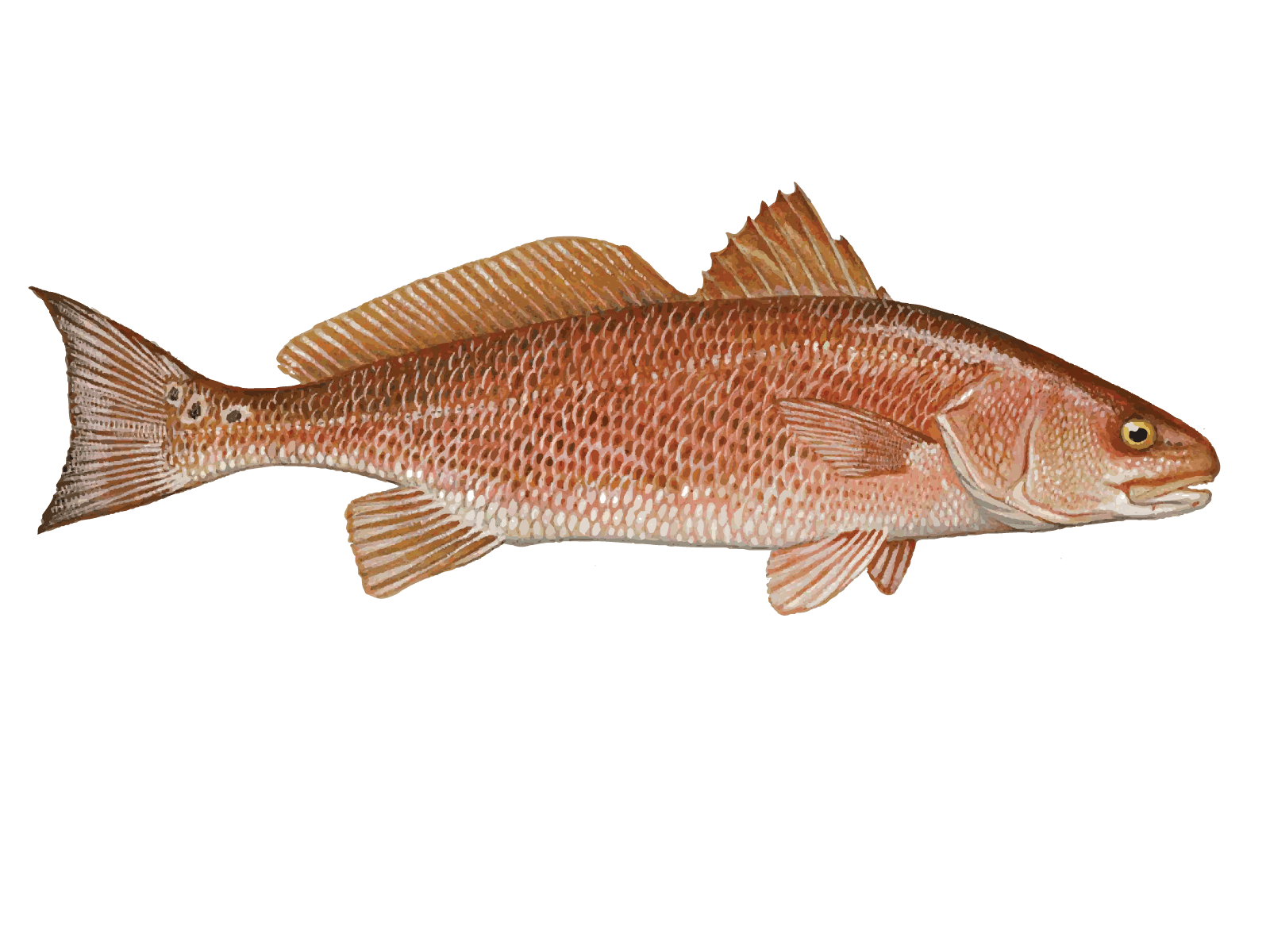
The Redfish (Sciaenops ocellatus), commonly known as Red Drum, belongs to the family Sciaenidae within the order Perciformes and stands as one of the most sought-after inshore game fish along the Atlantic coast. Distinguished by their characteristic copper-bronze coloration that fades to white on the belly and one or more distinctive black eyespots near the tail, these remarkable fish have captivated anglers for generations. The eyespots serve as a fascinating evolutionary adaptation, confusing predators into attacking the tail end rather than the head, allowing for quick escapes. With lifespans reaching up to 40 years and females capable of producing up to 3 million eggs in a single spawning event, Red Drum represent both resilience and abundance in coastal ecosystems.
Redfish Overview
Red Drum are quintessential shallow-water predators that thrive in the dynamic environments where fresh and saltwater meet. Found throughout the Atlantic coast from Massachusetts to northern Mexico, including the entire Gulf of Mexico, these fish have become synonymous with flats fishing and sight fishing opportunities. Their preference for extremely shallow water, often with their backs exposed above the surface, makes them ideal targets for both novice and experienced anglers. The species gained significant conservation attention in the 1980s when commercial overfishing threatened populations, leading to strict regulations that have successfully restored their numbers across most of their range.
Redfish Habitat and Distribution
These adaptable fish inhabit a diverse range of coastal environments, showing a strong preference for shallow bays, oyster reefs, grass flats, lagoons, and tidal creeks. They typically favor depths between 1 and 4 feet, though larger specimens venture into deeper nearshore waters. Red Drum demonstrate remarkable versatility in bottom preferences, thriving over mud, sand, and shell substrates while utilizing both natural vegetation like seagrass beds and artificial structures such as docks, piers, and jetties. Their distribution extends from the Chesapeake Bay region down through Florida and across the Gulf Coast, with some of the most productive fisheries found in Louisiana, Texas, North Carolina, and South Carolina waters.
Redfish Size and Weight
Adult Red Drum typically range from 30 to 61 inches in length, with weights commonly falling between 10 and 45 pounds, though exceptional specimens can exceed these parameters significantly. Sexual dimorphism is evident in mature fish, with females generally growing larger than males, averaging 33 inches compared to the male average of 28 inches. The species reaches sexual maturity between 3 to 5 years of age, after which growth rates vary considerably based on geographic location and environmental conditions. The current world record stands at an impressive 94 pounds 2 ounces, caught off the North Carolina coast, demonstrating the true potential size these fish can achieve in optimal conditions.
Redfish Diet and Behavior
Red Drum are opportunistic predators with voracious appetites, feeding primarily on crustaceans, mollusks, and small fish. Their diet includes blue crabs, shrimp, mullet, menhaden, and various bottom-dwelling invertebrates. They exhibit interesting feeding behaviors, often creating muddy plumes while rooting through soft bottoms in search of prey, a behavior that makes them visible to sight-fishing anglers. These fish demonstrate strong site fidelity, typically remaining within relatively small home ranges throughout their lives. They are most active during dawn and dusk periods, though feeding can occur throughout the day depending on tidal movements, weather conditions, and prey availability.
Redfish Spawning and Seasonal Activity
Spawning occurs in nearshore waters from late summer through early fall, typically between August and November, with peak activity varying by latitude. Mature fish migrate from their inshore habitats to deeper coastal waters where females release massive quantities of eggs in multiple spawning events. The fertilized eggs drift with currents for approximately 24 hours before hatching, with larvae eventually recruiting to shallow estuarine nursery areas. Seasonal movements are generally limited, though some populations show patterns of moving to slightly deeper water during extreme cold weather events. Juvenile fish remain in shallow nursery areas for their first few years before joining adult populations.
Redfish Techniques for Observation and Capture
Sight fishing represents the pinnacle of Red Drum angling, requiring polarized sunglasses, shallow-draft boats or wading gear, and the ability to spot fish in skinny water. Successful techniques include using topwater plugs like walk-the-dog style lures, soft plastic jigs resembling shrimp or crabs, and live bait such as shrimp, crabs, or cut mullet. Fly fishing enthusiasts achieve excellent results with weedless patterns in the 3 to 6-inch range, particularly crab and shrimp imitations. Around popular fishing destinations like Charleston, South Carolina, local guides recommend focusing on oyster bars during moving tides and grass flats during slack water periods. The key to consistent success lies in understanding tidal movements, as these fish are most active and predictable when water is moving.
Redfish Culinary and Utilization Notes
Red Drum offer excellent table fare when properly handled and prepared, featuring mild, slightly sweet white meat with a firm texture that adapts well to various cooking methods. The flesh contains high levels of protein and beneficial omega-3 fatty acids, along with essential vitamins and minerals including B12 and selenium. Smaller fish, often called "rat reds," typically provide the best eating quality, while larger breeding-size fish are often released to maintain population health. Popular preparation methods include grilling, blackening, baking, and frying, with the versatile meat absorbing seasonings and marinades effectively. Sustainable harvesting practices and adherence to size and bag limits ensure continued availability of this valuable food fish for future generations.
Redfish Frequently Asked Questions
Q: What is the best bait for catching Red Drum?
A: Live or fresh-dead shrimp consistently produces excellent results, followed closely by blue crab and cut mullet. For artificial lures, topwater plugs during low-light conditions and soft plastic jigs worked slowly along the bottom are highly effective choices that mimic natural prey items.
Q: Where can I find Red Drum near coastal areas?
A: Focus your efforts on shallow grass flats, oyster bars, tidal creeks, and areas where structure meets open water. Look for moving water during tide changes, and don't overlook extremely shallow areas where fish may be "tailing" or feeding with their backs exposed above the surface.
Q: Is Red Drum good to eat?
A: Absolutely, Red Drum provides excellent table fare with mild, sweet-tasting white meat that works well with various cooking methods. Smaller fish typically offer the best eating quality, while many anglers practice catch-and-release with larger breeding-size specimens to support population sustainability.
Q: When is the best time to catch Red Drum?
A: Early morning and late afternoon generally provide the most productive fishing, coinciding with natural feeding periods. Spring and fall months often yield the most consistent action, though these fish can be caught year-round in most of their range, with activity levels influenced by water temperature and tidal movements.